Erik Beck · 26 October 2026
Tracing Synchronization Hurdles for Profile Data Across Boutique Networking Hubs When Scaling Backend Architectures
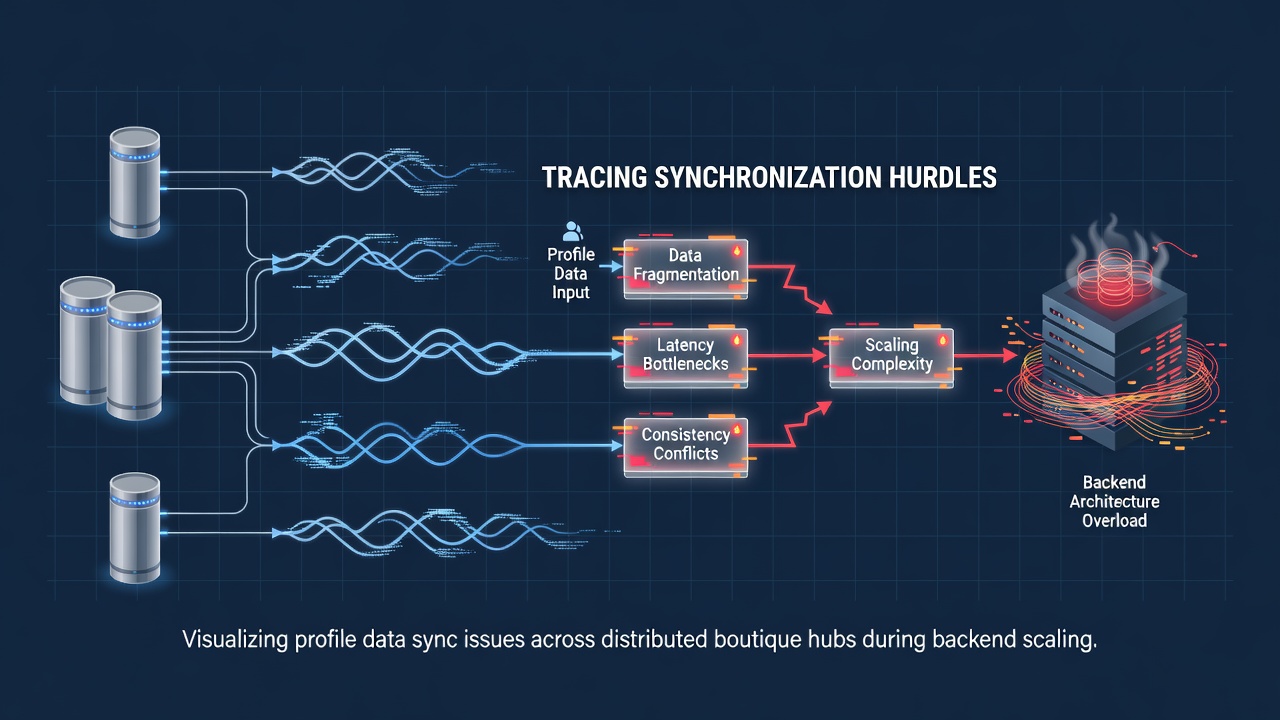
Boutique networking hubs operate as specialized platforms that connect niche user groups through tailored profile systems, and these setups encounter distinct synchronization issues when backend architectures expand to handle increased loads. Profile data including user attributes, connection mappings, and activity logs must remain consistent across distributed nodes even as traffic grows, yet latency spikes and replication delays frequently disrupt that consistency. Researchers at institutions focused on distributed computing have documented how eventual consistency models often leave temporary mismatches in profile states during peak usage periods. As scaling proceeds, backend teams partition databases to manage volume, which introduces new points where profile updates from one hub fail to propagate instantly to others. Data shows that replication lags can extend from milliseconds to several seconds in systems without optimized sharding strategies, leading to scenarios where a user's updated professional details appear in one location but remain outdated elsewhere. Observers note that this fragmentation becomes more pronounced when hubs integrate third-party APIs for enhanced features, because each integration adds another layer that must align with the core data store.Core Technical Barriers in Data Propagation
Backend scaling typically relies on microservices architectures that separate profile storage from authentication and notification services, yet this separation creates synchronization points prone to failure under concurrent writes. Studies from academic sources on distributed systems indicate that conflict resolution algorithms must address simultaneous edits to the same profile field, such as location changes or skill endorsements, across geographically dispersed hubs. When one service commits an update while another processes a related query, the system requires mechanisms like vector clocks or last-write-wins policies to restore order, though these approaches carry trade-offs in accuracy during rapid growth phases.
Network partitions represent another recurring hurdle because boutique platforms often run on hybrid cloud setups that mix private servers with public providers. A temporary disconnection between regions can leave profile data in divergent states until reconciliation routines run, and figures from infrastructure reports reveal that recovery times vary widely depending on the chosen consistency level. Those who manage such environments frequently implement monitoring tools to detect divergence early, but the overhead of constant checks adds computational cost as user bases expand.
Case Examples from Expanding Platforms
Take one case where a specialized creative professional network added regional hubs in late 2025 and encountered profile desync issues within months of scaling its backend. Updates to user portfolios would register in the primary cluster but lag in secondary nodes, causing mismatches that affected search results and connection suggestions. The development group addressed this by adopting a hybrid consistency model that prioritized strong consistency for core identity fields while allowing eventual consistency for activity metadata, and similar patterns appear in other documented expansions.
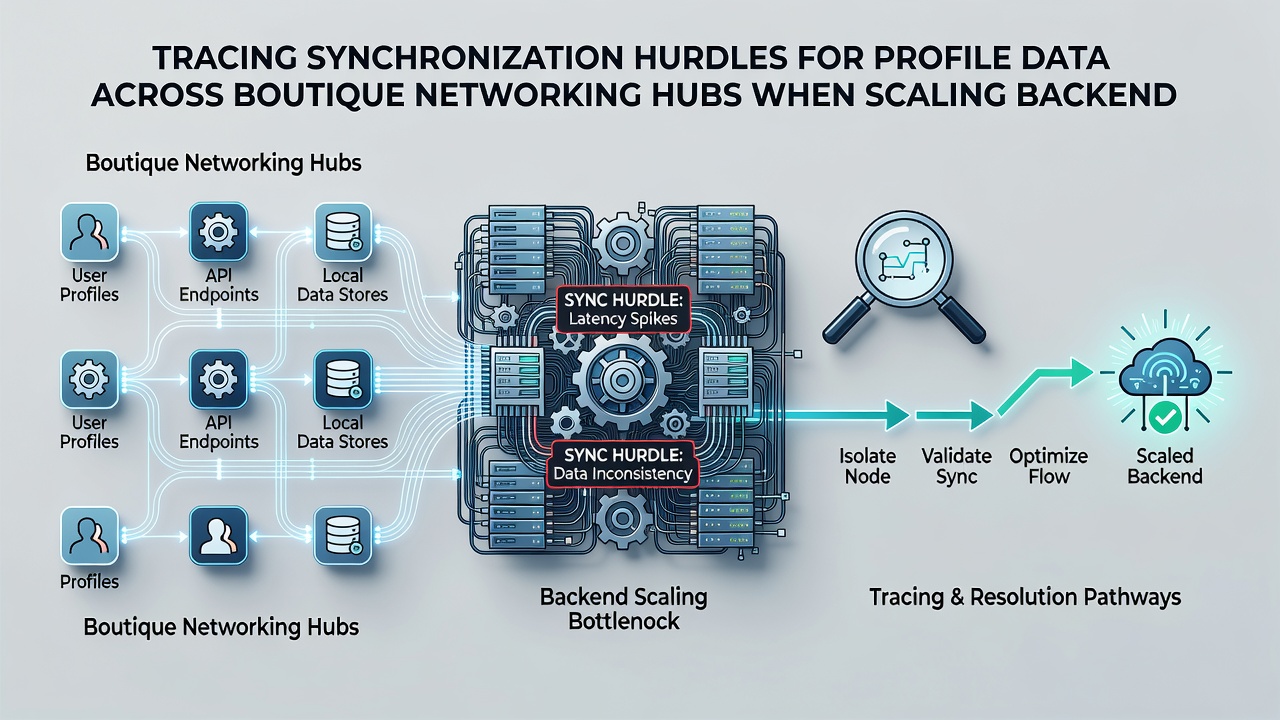
Another instance involves platforms that layered new recommendation engines onto existing infrastructures around October 2026. The added processing load amplified synchronization delays because profile queries now competed with batch jobs that refreshed aggregated data. According to findings from the National Institute of Standards and Technology on cloud scalability, such layered systems benefit from dedicated synchronization queues that decouple update streams from read operations, reducing the incidence of stale profiles presented to users. Those implementations also incorporated automated rollback procedures for detected conflicts, which helped maintain data integrity without manual intervention.
Approaches to Mitigation and Monitoring
Teams addressing these hurdles often turn to distributed ledger techniques or enhanced pub-sub systems to broadcast profile changes more reliably across hubs. Research indicates that combining these with periodic full reconciliations can limit the window of inconsistency, although the frequency of full syncs must balance against resource consumption. Data from infrastructure analyses shows measurable reductions in error rates when platforms adopt change-data-capture pipelines that log every profile modification in sequence.
Geographic distribution adds further complexity because latency between hubs in different regions directly influences how quickly updates travel. Platforms operating across multiple continents have reported success with regional master nodes that handle local writes before forwarding to a global coordinator, and this pattern aligns with guidance from various international technology assessments. Observers note that effective tracing of synchronization paths requires detailed logging at each hop, allowing teams to pinpoint where delays originate during scaling events.
Conclusion
Scaling backend architectures for boutique networking hubs demands careful attention to profile data synchronization because the underlying distributed nature of these systems amplifies small inconsistencies into noticeable user impacts. Technical strategies such as tuned consistency models, dedicated replication queues, and comprehensive monitoring provide pathways to manage these hurdles, and ongoing refinements continue as platforms grow. Data from multiple sources confirms that proactive tracing of update flows remains central to maintaining reliable profile integrity across expanding networks.